

Decoding Your Solar Quote: A Guide to Making a Smart Choice
You’ve done the research. You’ve seen the solar panels popping up on your neighbors’ roofs, and you’re ready to explore a future powered by the sun. You’ve taken the first big step and requested quotes from a few solar installers. Now, a handful of detailed documents are sitting in your inbox, each one promising energy independence and significant savings.
The excitement is real, but so is the confusion. These quotes are packed with technical jargon, complex figures, and varying equipment lists. How do you compare them? How do you know if you’re getting a fair price for a high-quality system?
Welcome to your comprehensive guide. As Oregon City’s #1 trusted local installer, we at Energy Solutions have helped over 1050 of your neighbors navigate this exact process. Our goal isn’t just to install solar panels on your home; it’s to empower you with the knowledge to make a confident, informed decision. This guide is designed to help you do just that when learning how to read a solar quote in Oregon.
Let’s break it down together.
Beyond the Bottom Line: What’s Really Inside Your Solar Proposal?
The first mistake many homeowners make is skipping straight to the final price. A solar quote is much more than a price tag; it’s a detailed blueprint for a power plant on your roof. A reputable installer provides a comprehensive proposal that clearly outlines every component of your investment. If a quote feels vague or is missing key details, consider it a red flag.
Here are the essential sections you should find and what they mean for you.
Section 1: The Hardware – Your System’s Engine
This is the core of your system. The quality of the equipment directly impacts your system’s performance, longevity, and reliability. Don’t just skim this section; dig into the specifics.
Solar Panels (Modules)
You’ll see the brand, model, and wattage of the panels. Look for reputable brands with strong warranties. We proudly use top-tier brands like REC because of their high efficiency, superior performance in our Pacific Northwest weather, and robust 25-year product, performance, and labor warranties. The panel’s wattage (e.g., 400W) indicates its power output under ideal conditions. Higher wattage can mean fewer panels are needed to achieve your energy goals.
Inverters

This is the brain of your solar operation. Inverters convert the Direct Current (DC) electricity your panels produce into Alternating Current (AC) electricity your home can use. You’ll typically see two types:
- String Inverters: One or two large inverters handle the entire solar array. They are a proven technology but have a drawback: if one panel is shaded or underperforming, it can reduce the output of the entire string.
- Microinverters: A small inverter is attached to each individual panel. This is the technology we specialize in with our partner, Enphase. The benefits are huge: each panel operates independently, maximizing production even if some panels are partially shaded. It also allows you to monitor the performance of every single panel from your phone.
Racking and Mounting
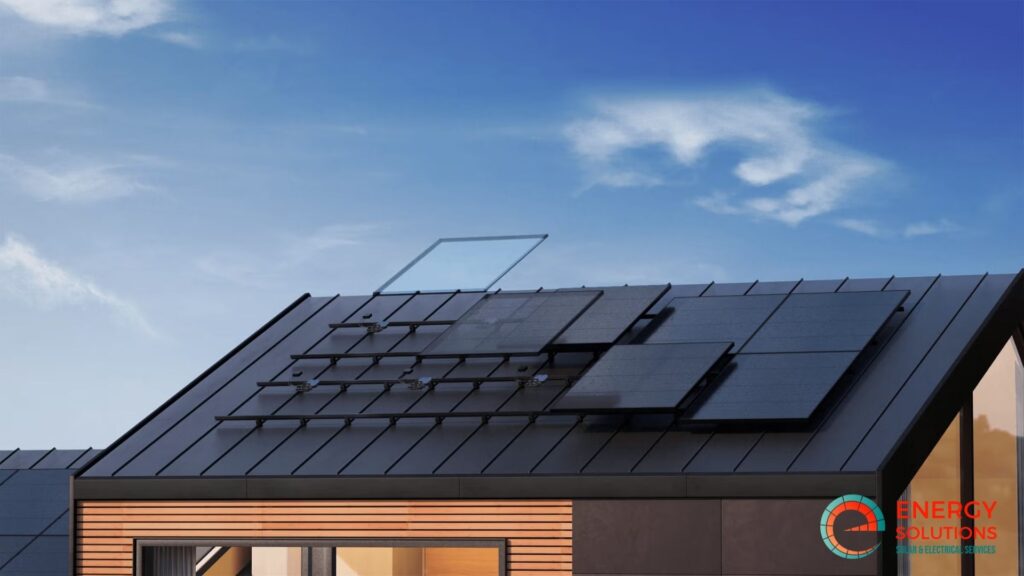
This is the unseen hero of your system. It’s the framework that secures the panels to your roof. A quality racking system is engineered to withstand Oregon’s wind and rain for decades, ensuring the integrity of both your solar array and your roof.
Battery Storage (Optional): If you’ve discussed energy resilience or backup power, your quote should detail the battery system. Look for the brand, capacity (measured in kilowatt-hours, or kWh), and power output. We trust Generac for their reliable and powerful home battery solutions, which can keep your lights on during a grid outage.
Section 2: The Performance – Size and Production Estimates
This section tells you what your system is designed to do. Understanding these numbers is a key part of determining what to look for in a solar quote.
- System Size (kW): Measured in kilowatts (kW), this is the total potential power output of your panels. It’s calculated by multiplying the number of panels by their individual wattage (e.g., 20 panels x 400W = 8,000W, or an 8.0 kW system).
- Estimated Annual Production (kWh): This is one of the most important figures. Measured in kilowatt-hours (kWh), this is the amount of actual electricity the installer predicts your system will generate over a year. This estimate should be based on sophisticated software that accounts for your specific roof orientation, pitch, local weather data, and any potential shading from trees or nearby structures. A good quote will be transparent about how this number was calculated.
- Energy Offset (%): This percentage tells you how much of your current annual electricity consumption the new system is expected to cover. A 100% offset means the system is designed to produce as much energy as you use in a year. Our philosophy is to design systems for the fastest payback, which means finding the perfect balance of system size and energy offset for your unique needs.
Section 3: The Financials – Cost, Incentives, and Payback
This is where everything comes together. A clear and transparent financial breakdown is essential.
Total Gross Cost: This is the all-in price of the system before any incentives or rebates are applied. It should include all hardware, labor, permits, and engineering fees.
Incentives and Rebates: This is where your cost comes down. A detailed quote will list all the financial incentives you’re eligible for. This typically includes:
- The Federal Solar Investment Tax Credit (ITC)
- Any state tax credits (if applicable)
- Local utility rebates
A proper solar system price breakdown will clearly show how these incentives are subtracted from the gross cost.
Net System Cost: This is your final price after all solar and battery incentives have been deducted. This is the number you’ll actually pay or finance.
Payback Period / Return on Investment (ROI): Many quotes will include an estimated payback period—the time it takes for your electricity savings to equal the net cost of the system. Be cautious here. While helpful, this is always an estimate. It depends on future utility rate increases and your actual energy usage. An installer should never present this as a guarantee.

Apples to Apples: How to Compare Multiple Solar Bids
Now that you have multiple quotes, it’s time to line them up. When you’re comparing solar bids in Clackamas County, you need a method to standardize the information.
Cost per Watt ($/W): This is the great equalizer. To calculate it, take the Total Gross Cost and divide it by the System Size in watts. (e.g., $30,000 / 8,000W = $3.75/watt). This helps you compare pricing on a level playing field, even if the system sizes are different.
Equipment Quality: Is one company quoting premium REC panels and Enphase microinverters while another is using a lesser-known budget brand? The lower price might come at the cost of long-term performance and reliability.
Production Estimates (kWh): If two quotes are for the same system size (e.g., 8.0 kW), but one has a significantly higher production estimate, ask why. A reputable installer will be able to justify their numbers with a detailed shading analysis. Overly optimistic estimates are a major red flag.
Warranties: This is a critical but often overlooked detail. There are two main types:
- Product Warranty: Covers the equipment itself (panels, inverters). Look for 25 years on both.
- Workmanship Warranty: Covers the installation quality and protects you from leaks or issues caused by the installation crew. A 10-year workmanship warranty is a good industry standard; a top-tier installer may offer more.
Red Flags and Green Lights: Identifying a Quality Partner
Finding the best solar quotes in Oregon City isn’t just about the numbers; it’s about the company behind them. As a full-service installer, we handle everything from the initial design and permitting to the installation and long-term support. That’s the kind of partnership you should look for.
Red Flags to Watch For:
- Vague Quotes: Missing equipment model numbers or warranty information.
- High-Pressure Sales: “This price is only good for today!” A major purchase deserves careful consideration.
- Unrealistic Promises: Guarantees of zero electricity bills or overly optimistic payback periods.
- Lack of Local Presence: Out-of-state companies may subcontract the work and be hard to reach for service calls.
Green Lights of a Great Installer:
- Transparency: Every detail is clearly laid out in the quote.
- Local Expertise: They understand local building codes, utility interconnection processes, and our unique Pacific Northwest climate. With over 1050 successful local projects, we know what works here.
- Excellent Reviews: They have a proven track record of happy customers in your community.
- Full-Service Approach: They manage the entire project in-house, from start to finish.
The Essential Checklist: Questions to Ask Before You Sign
Before you commit, it’s vital to have a final conversation with the potential installer. This is your chance to clarify everything. Having a list of questions to ask about a solar quote is the best way to ensure there are no surprises.
- Who will be performing the actual installation? Is it your in-house crew or a subcontractor?
- What is your workmanship warranty, and what exactly does it cover?
- Who handles the permitting and the interconnection agreement with my utility company? (Our answer: We handle everything!)
- Are you fully licensed and insured to work in Oregon?
- Can you provide references or show me examples of your work in my area?
Your Next Step to a Smarter Energy Future
We hope this guide has helped demystify the process and given you the confidence to analyze your options. A solar quote is more than numbers on a page; it’s a promise of quality, performance, and partnership for the next 25+ years.
Every home has unique energy needs, a different roof, and distinct financial goals. That’s why a generic online estimate will never be accurate. The only way to get a true, custom-designed quote that maximizes your return on investment is through a detailed assessment.
If you’re ready to see what a transparent, no-pressure solar proposal looks like, we invite you to take the next step.
Contact us today to book your free, no-obligation consultation with an Energy Solutions expert.