Solar and a new roof
Going solar and replacing a roof are linked decisions, and the order matters. A big driver behind the solar boom was the federal residential solar credit (25D), which reduced the cost of residential systems. That homeowner credit ended Dec 31, 2025.
Before it ended, a common and very practical question came up: "If I need a new roof to support my solar panels, can I include the cost of the roof in the tax credit?"
It was a fair question. After all, a solid roof is the foundation of a great solar energy system. Here at Energy Solutions, a licensed Oregon electrical contractor (CCB 202002), in business since 2013, we have worked through this exact scenario with homeowners.
The short answer was: mostly no. IRS guidance said traditional roofing did not qualify, though solar shingles and solar tiles did, and some structural parts that exist only to support the panels might have.
This guide explains what the IRS guidance said, because it still comes up for systems installed before the credit ended, and it covers what to do now.
Update, Oct 2026: the federal residential solar credit (25D) ended Dec 31, 2025. Business credits may still apply - ask us.
Your Guide to the Federal Solar Tax Credit and Roofing Costs
The federal solar tax credit let homeowners take a credit against their federal taxes for a share of the cost of a solar energy system. It was a direct reduction in the income tax owed, which made it more valuable than a simple deduction.
So, what was included in the federal solar tax credit under normal circumstances? The credit applied to the cost of "solar PV property," which included:
- Solar PV panels
- Inverters and microinverters (we install Enphase)
- Racking and mounting equipment
- Wiring, conduit, and other electrical components
- Energy storage devices (batteries) like the Generac PWRcell, provided they met the minimum capacity requirement.
- Labor costs for on-site preparation, assembly, and installation.
- Permitting fees, inspection costs, and developer fees.
Essentially, any expense directly related to the installation and commissioning of the solar energy system itself was covered. The gray area appeared with structural upgrades to your home that were necessary for the system to be installed - like a new roof.
What the IRS said about roofing
IRS guidance on the homeowner credit said traditional roofing did not qualify. Shingles, roof decking, and rafters serve a roofing or structural purpose, so their cost was not part of the credit.
Two things could count. Solar roofing products, such as solar shingles and solar tiles, qualified because they generate electricity. And some structural parts that exist only to support the panels, such as certain roof trusses, might qualify. A regular roof replacement before a solar install did not.
Some installers and tax preparers argued that the section of a new roof under the panels should count. That was never official IRS guidance, so anyone who claimed it should talk to a tax professional.
Why the roof still matters before solar
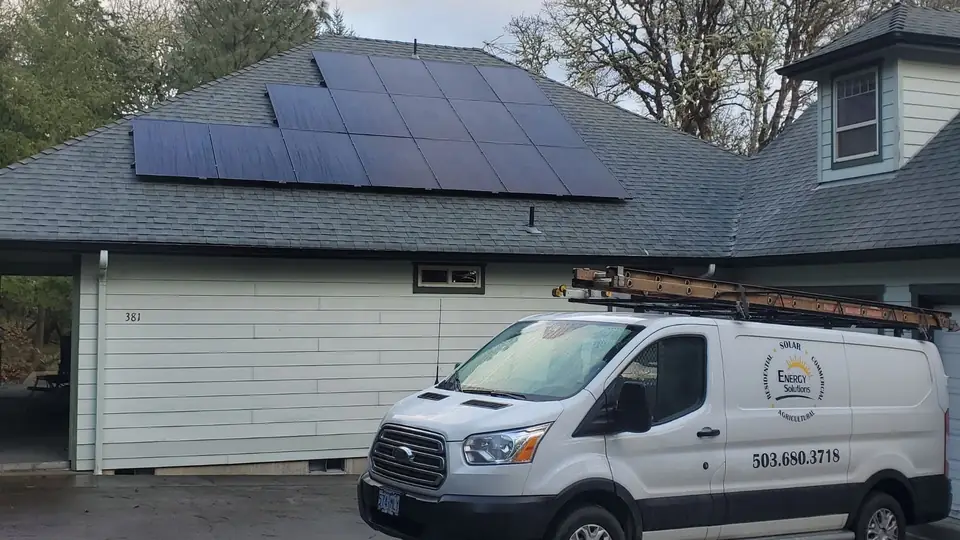
A new roof often makes sense before solar, even without a credit, because panels usually stay up for decades.
Re-roofing later means taking the panels down and putting them back. If your roof is near the end of its life, replacing it first can save a second trip. If you already have solar and need a new roof, we handle solar removal and reinstall around your roofer's schedule.
Keep your solar and roofing records
Keep the paperwork for both projects, especially if you claimed the credit for a system installed in 2025 or earlier.
- Itemized invoices: separate invoices from your roofer and your solar installer.
- Contracts and permits: signed contracts, permits, and final inspection records.
- Tax questions: a tax professional can confirm what you claimed and what you can still claim.
Why a Full-Service Partner Makes All the Difference
A full-service partner handles incentives, permits, and installation so you do not have to.
Adding a roof replacement to the mix introduces another layer of complexity. This is why choosing the right partner matters.
At Energy Solutions, we are a full-service company. That means we handle everything for you. From the initial design and engineering to securing permits, coordinating with roofers if needed, and completing the installation, our team manages the entire process.
We understand how to sequence the projects, what documentation you will need, and how to make sure both your new roof and your new solar system perform reliably for years. We're not just a company; we're your neighbors across the Portland metro, the Willamette Valley, and SW Washington.
Ready to Explore Your Solar and Roofing Options?
The federal homeowner credit has ended, but that does not mean you have no options. Energy Trust of Oregon and state programs may apply, and business credits may still apply. Amounts and eligibility change often - we check the current numbers for your home.
The only way to get a clear, accurate picture of your project is to speak with an expert. We invite you to book a free, no-obligation consultation with our team. We'll assess your home, your roof, and your energy needs to provide you with a custom-designed proposal. We can answer your questions and show you how a combined solar and roofing project can work for you.