Oregon Net Energy Metering Explained
Net Energy Metering (NEM) credits solar owners for the extra power their panels send to the grid.
Net metering is changing the way we view energy production and consumption, especially for renewable sources like solar energy.
But what exactly is it, and how does it work?
Introduction to Net Energy Metering (NEM)
Net Energy Metering (NEM) is a billing system that credits you for the solar power you send back to the grid.
The surplus power generated is fed back into the grid, effectively allowing customers to offset the cost of power drawn from the utility.
Understanding Energy Sources
Net metering connects your own solar power to the same grid that larger power plants supply. In traditional systems, power is sourced from large power plants, running mostly on non-renewable fuels. Today, renewable energy, especially solar power, is gaining momentum as a significant energy source. That is where Net Energy Metering (NEM) steps in, encouraging homeowners and businesses to install solar energy systems.
How Does Net Metering Work?
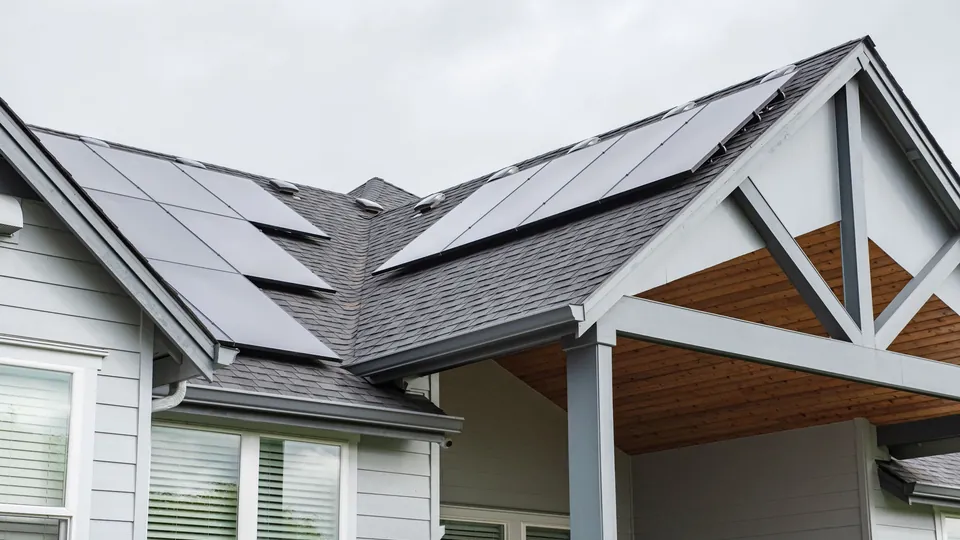
Net metering works through your solar panels, an inverter, and a two-way utility meter.
The Role of the Electrical Grid
The grid acts like a two-way battery in net metering: you send power out and draw it back. When your solar panels produce more energy than you consume, the excess is fed back into the grid. It is the equivalent of your energy meter running backward.
Billing Cycle and Kilowatt Hours
Energy usage and production are measured in kilowatt-hours. Over a billing cycle, the energy you consume from the grid is offset by the energy your solar panels feed into it. The utility company bills you only for the 'net' energy used.
Excess Electricity and Its Impact
When your system generates excess electricity, it's not wasted. It's sent back into the grid, reducing your overall energy costs and even leading to energy credits in some cases.
Net Metering Example
Net metering bills you for the difference between the power you use and the power you send to the grid.
Here's an example to help you comprehend how it works:
Let's say, in a given billing month:
- The solar power system on your home produces 500 kilowatt-hours (kWh) of electricity.
- Your household consumes 700 kWh of electricity.
In this case, your solar system cannot cover all your energy needs, and you must draw the additional power from the grid. With NEM, you're billed only for the 'net' energy you consume from the grid.
The equation for this example would look something like this:
Net Energy = Energy Consumed - Energy Produced
So, the calculation is:
Net Energy = 700 kWh (Energy Consumed) - 500 kWh (Energy Produced by Solar System)
Net Energy = 200 kWh
This means you would be billed for the net energy of 200 kWh for that month, rather than the total 700 kWh consumed. This scenario demonstrates how NEM can help lower your electric bills by offsetting the cost of energy consumed with the energy your solar power system produces.
Combining NEM with Other Oregon Solar Incentives
In addition to Net Energy Metering (NEM), Oregon offers a host of other incentives that can make the switch to solar power financially attractive. Here's a brief list:
- Federal tax credits (the residential credit has ended; see the update below)
- Energy Trust of Oregon Incentives
- ODOE Solar + Battery Incentives
- Property Tax Exemption
These incentives, when combined with NEM, can make solar power even more beneficial. For detailed information on each of these incentives and how they can work for you, please visit our Oregon Solar Incentive page.
Update, Oct 2026: the federal residential solar credit (25D) ended Dec 31, 2025. Business credits may still apply - ask us.
Importance of Net Energy Metering in Oregon
Net metering matters in Oregon because it makes solar more rewarding for homeowners.
Within this renewable energy landscape, Net Energy Metering (NEM) assumes a pivotal role, driving the adoption of solar energy solutions and ensuring their viability and sustainability.
The importance of NEM in Oregon can be highlighted through several key aspects:
- Sustainability: The NEM program encourages using solar power, a clean, green, and sustainable energy source. This is in line with Oregon's commitment to environmental conservation and combating climate change.
- Energy Independence: Through NEM, Oregon residents can generate their own power, reducing their dependency on traditional electricity sources and enhancing energy security.
- Economic Benefits: By feeding excess solar power back to the grid, consumers can offset their energy bills, which can lower electric bills over time.
- Supporting Local Economy: The rising adoption of solar power stimulated by NEM fuels job growth in the renewable energy sector, thus contributing to Oregon's local economy.
- Grid Resilience: Distributed solar generation helps in balancing the grid, enhancing its resilience, and reducing the risk of power outages. (Learn more: battery backup)
By fostering an environment that makes renewable energy adoption both practical and beneficial, NEM is playing a critical role in shaping Oregon's energy future.
The Role of Utility Companies
Utility companies track the power you send to and take from the grid and credit your bill.
They are responsible for maintaining the grid infrastructure that allows the flow of energy back and forth between your solar system and the grid. Furthermore, they manage energy credits, documenting the excess electricity your system sends back to the grid.
This documentation influences your billing, ensuring that you only pay for the net energy you consume. Through their key role, utility companies facilitate the seamless operation of net metering, helping consumers make the most of their renewable energy systems.
Understanding the Installation Process
Installing a solar system is the step that makes net metering possible for your home.
It may seem like a daunting task, but it's far less complex than you might think. It involves several key stages, and understanding these can help you navigate the process with ease.
Here's a simple breakdown of the steps involved (Note: at Energy Solutions, we take care of a majority of this process. Our systems are turnkey):
- Assessment: A professional assessment is carried out to determine the suitability of your property for solar installation.
- Design: A custom solar power system is designed based on your energy needs and the property's characteristics.
- Approval and Permits: Necessary approvals and permits are secured from local authorities and your utility company.
- Installation: The solar system is installed by licensed professionals, ensuring it aligns with the design and follows all safety regulations.
- Inspection and Interconnection: The installed system is inspected, and upon approval, it's connected to the utility grid to begin net metering.
By understanding this process, you can set realistic expectations and ensure a smoother transition to solar energy.
Exploring EV Chargers and Battery Backup Systems
An EV charger and a battery backup system are two add-ons that increase the benefits of your solar system.
Both elements work synergistically with solar energy to provide sustainable solutions that extend beyond just powering your home.
Electric Vehicle Chargers
With the rise of electric vehicles, the demand for home EV chargers has surged. Solar-powered EV chargers harness the power of the sun to recharge your electric vehicle, reducing reliance on grid electricity and making your commute even more eco-friendly. When paired with net metering, your solar energy system can generate excess power during the day to recharge your vehicle and power your home, maximizing your energy savings.

Battery Backup Systems
Battery backup systems, such as the Generac PWRWall, offer the opportunity to store excess solar energy for use during power outages or during peak electricity rates. This energy storage solution ensures that your home remains powered even when the sun isn't shining or during grid failures. It also offers the potential to further reduce your reliance on the grid by allowing you to use your stored solar power during times when grid electricity costs are high.
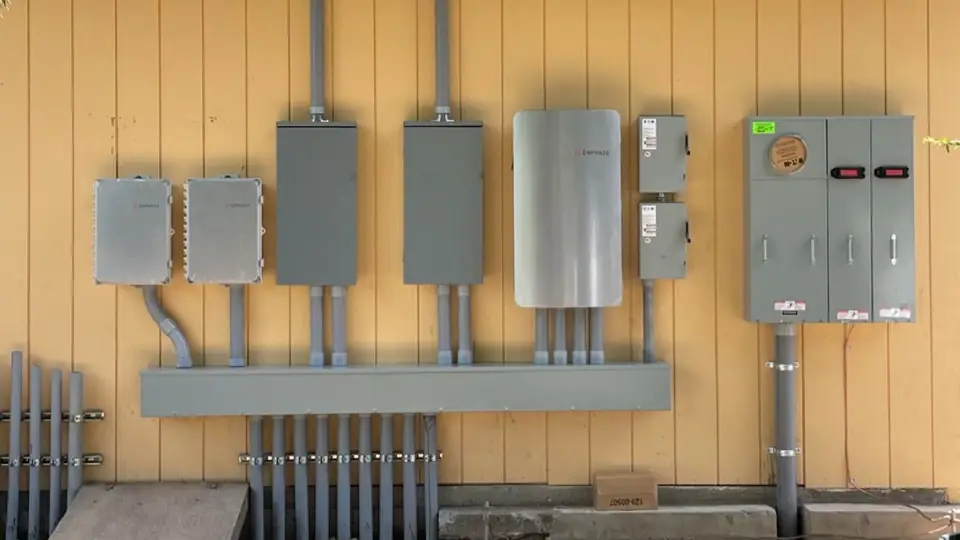
(Please Note: You may require a service panel upgrade in order to handle the new electrical loads. Our consultants are trained to assess this and inform you whether you need an upgrade or not)
Read More: 10 signs it is time for a panel replacement
Takeaway
Oregon net metering lets solar owners earn credit for the extra power they send to the grid. It is an exciting time to be a part of this energy revolution.
Solar energy not only benefits your wallet by reducing energy costs but also contributes to a greener, more sustainable future. If you're ready to explore the potential of solar power and net metering for your home or business, don't hesitate to reach out. We invite you to call us at (971) 526-5545 today or fill out our online form. Our team of experts is ready to guide you through the process, answer your questions, and help you harness the power of the sun to its fullest potential. Don't wait - start your solar journey today.
Oregon NEM FAQs
Oregon net metering FAQs: you pay only for the net energy you use, and extra solar power earns credit.
If you don't see your question answered, or if you wish to get a free consultation, feel free to contact us.
What happens during periods of low sunlight?
Your solar system still produces some electricity during periods of low sunlight. In case your system doesn't generate enough, you'll draw power from the grid. Through NEM, you only pay for the net amount of energy consumed.
Is there a limit to how much I can save with NEM in Oregon?
Your savings are influenced by factors like the size of your solar system, energy consumption patterns, and local utility rates. The more energy your system produces, the higher your potential savings through NEM.
Can I go completely off-grid with solar and NEM?
While it's theoretically possible, most residential solar systems are designed to work in tandem with the grid. Going off-grid often requires significant battery storage, which can be costly. NEM enables you to benefit from solar while still maintaining grid connectivity for reliability.
What maintenance does a solar system require?
Solar systems typically require minimal maintenance, mostly keeping the panels clean and free from debris. Regular professional check-ups are also recommended to ensure the system is functioning optimally.
How long does it take to install a solar energy system for NEM?
The timeline can vary depending on factors such as the size and complexity of the system, local permit procedures, and the installer's schedule. Generally, it can take a few weeks to a few months from the consultation to the system being fully operational.