Solar Plus Batteries
Solar plus batteries gives you backup power that solar panels alone cannot provide.
However, there is a common misconception about solar panel installations - that having them alone is enough to power a home during grid outages.
This is not the case, due to safety protocols designed to protect utility linemen from electrocution. The key solution to enable solar-powered homes to maintain power during grid outages is to install battery backup systems that can store solar energy and automatically transfer it when needed.
The Importance of Backup Power in the Face of Power Outages
Power outages can happen with little warning. They can be caused by various factors, with severe weather such as winter storms being a major contributor.
With power grids under increasing strain from extreme weather, many homeowners feel a need for backup power to provide a sense of security. Having a solar and battery storage system allows households to remain "home-powered" even when the main grid goes down. This provides vital resilience in uncertain times when outages can occur with little warning. Knowing your home will have electricity despite storms or other grid failures brings significant peace of mind.
Solar Power Alone is Insufficient During Grid Outages
A grid-tied solar system works by connecting directly to the electric grid. The solar panels produce DC electricity, which is converted by an inverter into AC electricity that your home can use. Any excess solar energy that isn't immediately used is fed back into the grid. This is known as net metering and allows you to earn credits from your utility company for that excess energy. The meter runs forward when you pull energy from the grid but spins backward and credits your account when your system produces extra energy.
However, in the event of a power outage, a grid-tied solar system without a battery backup will also lose power. This safety measure prevents solar systems from back-feeding electricity into the grid while crews are working to restore power, which could electrocute workers. Grid-tied inverters are built to shut down automatically when they detect an outage (anti-islanding). A backup battery with transfer equipment is what keeps your home powered.
So while grid-tied solar works well under normal conditions thanks to net metering, having the panels alone is not enough to power a home during a blackout. The key is adding battery storage to the system, which can store solar energy for use anytime, even at night or during an outage when grid power is not available.
Role of Battery Storage
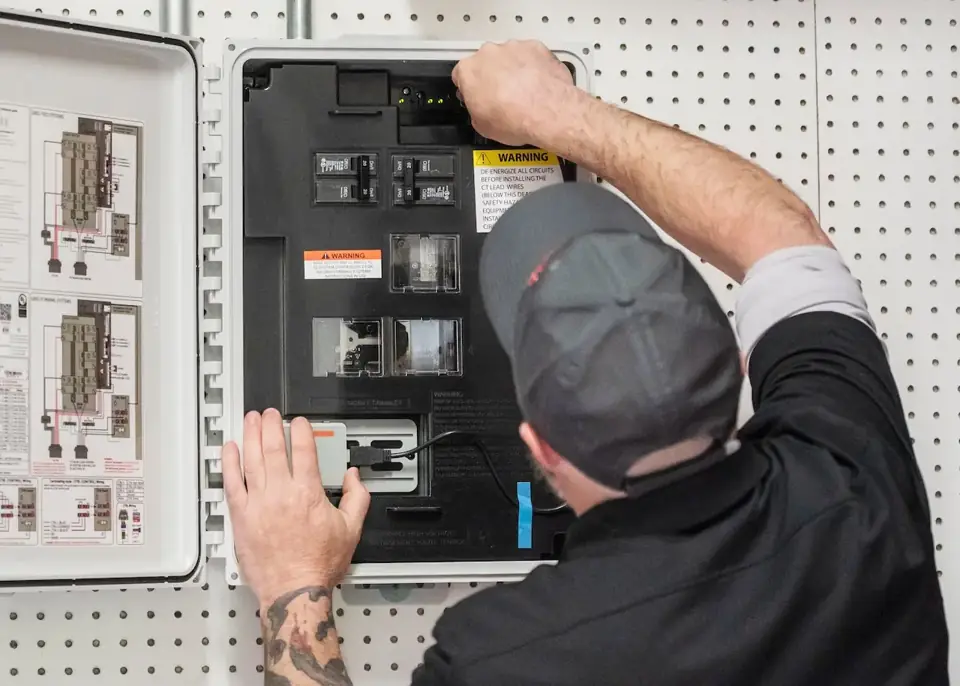
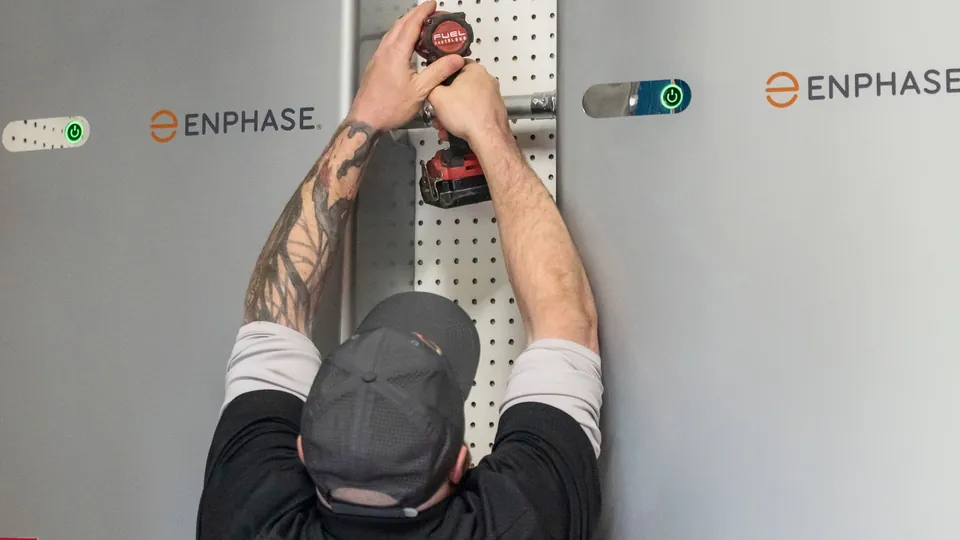
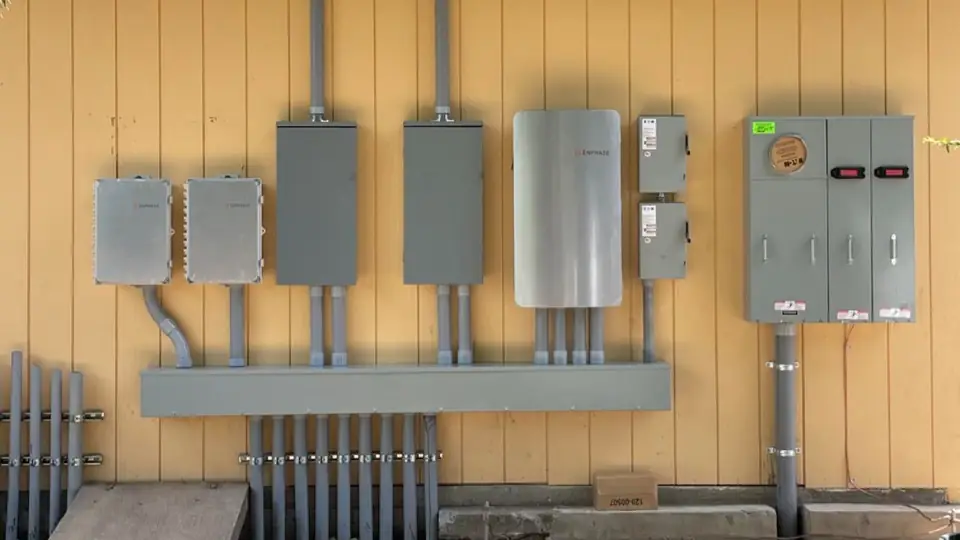
Battery storage systems allow homeowners to use stored solar power from the batteries during grid outages when solar panels alone cannot provide power. Determining the right storage capacity for your home is crucial. The general guideline is to have enough capacity to power your critical loads for as long as you want to stay up without sun, and we size that with you.
- DC-coupled systems - The solar panels charge the batteries directly and the batteries connect to an inverter to power AC loads in the home. This is the simpler option.
- AC-coupled systems - The solar panels connect to a grid-tied inverter, which charges a battery bank separately. This allows continued net metering when the grid is up but the batteries provide backup power during an outage. AC systems have more flexibility.
Key benefits of adding a solar battery backup system include:
- Uninterrupted power during grid failures
- Reduced electricity bills by optimizing solar energy use
- Increased energy independence and resilience
The right solar battery backup system size and type depends on your budget, energy usage needs, and desired backup time. Consulting a solar professional can help determine the optimal system.
Incentives in Oregon for Battery Backup Installation
Oregon offers various state and utility incentives to make installing a solar and battery storage system more affordable for homeowners and businesses. These incentives help offset the upfront costs of adding battery backup capabilities.
The biggest incentive was the federal solar tax credit, which applied to both the solar array and any battery storage. That residential credit ended Dec 31, 2025.
For low-to-moderate income households, Oregon's Solar + Storage Rebate Program has offered rebates toward the system cost. Amounts and eligibility change often - we check the current numbers for your home.
Additionally, utility companies like Portland General Electric offer special rates under net metering programs that allow solar customers to get credit for excess power they export. This further lowers electric bills.
Overall, Oregon has offered state and utility incentives for adding battery storage to residential or commercial solar installations. Speak to a tax professional about your situation.
Update, Oct 2026: the federal residential solar credit (25D) ended Dec 31, 2025. Business credits may still apply - ask us.
Additional Advantages of Solar Battery Storage
Solar battery storage provides additional advantages beyond just powering a home or business during grid outages. One key benefit is promoting clean energy and reducing reliance on non-renewable resources. By storing solar energy in batteries during daylight hours, homeowners and businesses can use that stored clean energy during peak demand periods rather than drawing additional power from carbon-emitting sources like coal or natural gas. This allows solar users to maximize their use of renewable energy.
Another advantage is the potential to integrate an EV charger with the solar battery system. The stored solar energy in the batteries can be used to conveniently charge an electric vehicle overnight or during cloudy periods when solar production is low. This adds value to the battery system.
Two reasons solar plus battery storage matter
Two reasons stand out: outages are a real risk, and a battery can cut your peak-hour electricity costs.
1. Storms, Wildfires, and Power Outages
Severe storms and wildfires have caused widespread power outages, and winter storms are a common cause of outages in the Pacific Northwest. The western states in particular have experienced devastating wildfires.
These natural disasters often cause extensive power outages due to damage to transmission lines, substations, and other infrastructure. Severe weather is a common cause of long outages.
2. Peak Hour Savings with Solar Battery Storage
Installing a solar battery storage system allows homeowners to tap into stored solar energy during peak hours when electricity prices are highest. Solar energy is free, while grid electricity costs more during peak times. By using your stored solar energy instead of expensive grid power in the evenings, you can reduce energy costs.
The battery charges up when solar production is high and electricity prices are low. Then when peak rates hit, the battery automatically discharges to power your home and avoid those high utility costs. This 'peak shaving' with solar battery storage can lower your costs.
In addition to cost savings, using your solar battery during peak hours promotes energy independence and home sustainability. By relying on your own stored solar power instead of the grid during peak times, you reduce strain on non-renewable energy resources. Solar battery storage allows for a more resilient and eco-friendly home.
Battery storage paired with solar allows homeowners and businesses to utilize clean, renewable energy around the clock. This not only provides energy resiliency but also helps reduce reliance on fossil fuels and contributes to a more sustainable future. Solar energy production fluctuates with weather conditions, but battery storage systems can accumulate surplus solar power during peak production and discharge it later when needed.
In summary, integrating battery backup with solar panels is crucial for uninterrupted power during outages. Even more, it enables maximal utilization of clean solar energy and accelerates the transition away from non-renewable resources. Solar plus energy storage paves the way for a more resilient and sustainable clean energy future.
Free Solar Plus Battery Quote
Ask us for a free solar plus battery quote to add backup power to your home.
Oregon's incentives may add to the appeal. To ensure uninterrupted power and capitalize on these benefits, it's good to consider solar plus battery solutions. We strongly recommend securing a free quote for a tailored energy storage installation, fortifying your energy independence and resilience. Read our ODOE solar and battery incentives update, then ask us what applies to your home.